Sleep is one of the most powerful and overlooked factors affecting mental health. When sleep suffers, mood, focus, stress tolerance, and emotional regulation often suffer as well. Many people experiencing anxiety, depression, or burnout notice that their sleep patterns change long before they recognize a mental health concern.
Understanding the connection between sleep and mental health can help you recognize when something deeper may be happening and when it may be time to seek support.
Why Sleep Is Essential for Mental Health
Sleep plays a critical role in how the brain processes emotions, manages stress, and maintains balance in mood-regulating systems.
During sleep, the brain consolidates memories, processes emotional experiences, and restores neurological function. Without adequate sleep, the brain’s ability to regulate emotions weakens. This can lead to increased irritability, heightened anxiety, difficulty concentrating, and low mood.
Research consistently shows that poor sleep is strongly associated with conditions such as depression, anxiety disorders, and chronic stress. In many cases, sleep problems are not just a symptom of mental health challenges but also a contributing factor.
“Sleep is not just rest for the body. It’s essential maintenance for the brain,” explains Dr. Tasia Henderson, DNP, PMHNP-BC, founder of St. James TMS & Psychiatry. “When sleep becomes disrupted for extended periods, it can significantly impact emotional stability and mental health.”

How Sleep Affects Depression and Anxiety
Sleep and mental health influence each other in both directions. Poor sleep can worsen symptoms of depression and anxiety, while those same conditions can make it harder to fall or stay asleep.
Sleep and Depression
People experiencing depression often report difficulty sleeping or excessive sleep. Insomnia, early morning waking, and fatigue throughout the day are common signs.
Sleep deprivation can intensify depressive symptoms by increasing feelings of hopelessness, low energy, and reduced motivation.
Sleep and Anxiety
Anxiety can keep the brain in a state of heightened alertness, making it difficult to relax enough to fall asleep. Racing thoughts, physical tension, and nighttime worry can prevent the mind from transitioning into restful sleep.
Over time, this cycle can worsen anxiety symptoms and make everyday stress feel harder to manage.
Signs That Sleep Problems May Be Affecting Your Mental Health
Occasional poor sleep is normal. However, ongoing sleep disruptions may signal that mental health support could be helpful.
Common signs include:
- Difficulty falling asleep most nights
- Waking frequently during the night
- Feeling exhausted despite sleeping
- Trouble concentrating or focusing during the day
- Increased irritability or emotional sensitivity
- Persistent low mood or anxiety
When these patterns continue for weeks or months, they may indicate that underlying mental health factors are contributing to sleep difficulties.
Improving Sleep Habits Can Support Mental Wellness
Developing consistent sleep habits can improve both physical and mental health. Small changes to daily routines can make a meaningful difference.
 Establish a Consistent Sleep Schedule
Going to bed and waking up at the same time each day helps regulate the body’s internal clock.
Reduce Evening Stimulation
Limiting screen time, caffeine, and stressful activities before bedtime can make it easier for the brain to wind down.
Create a Sleep-Friendly Environment
A quiet, dark, and comfortable sleep environment supports deeper, more restorative sleep.
While these strategies can help, persistent sleep issues often require deeper evaluation. Mental health conditions, medication effects, and neurological factors can all influence sleep quality.
When Sleep Problems May Signal a Mental Health Concern
If sleep difficulties continue despite healthy habits, it may be time to speak with a mental health professional.
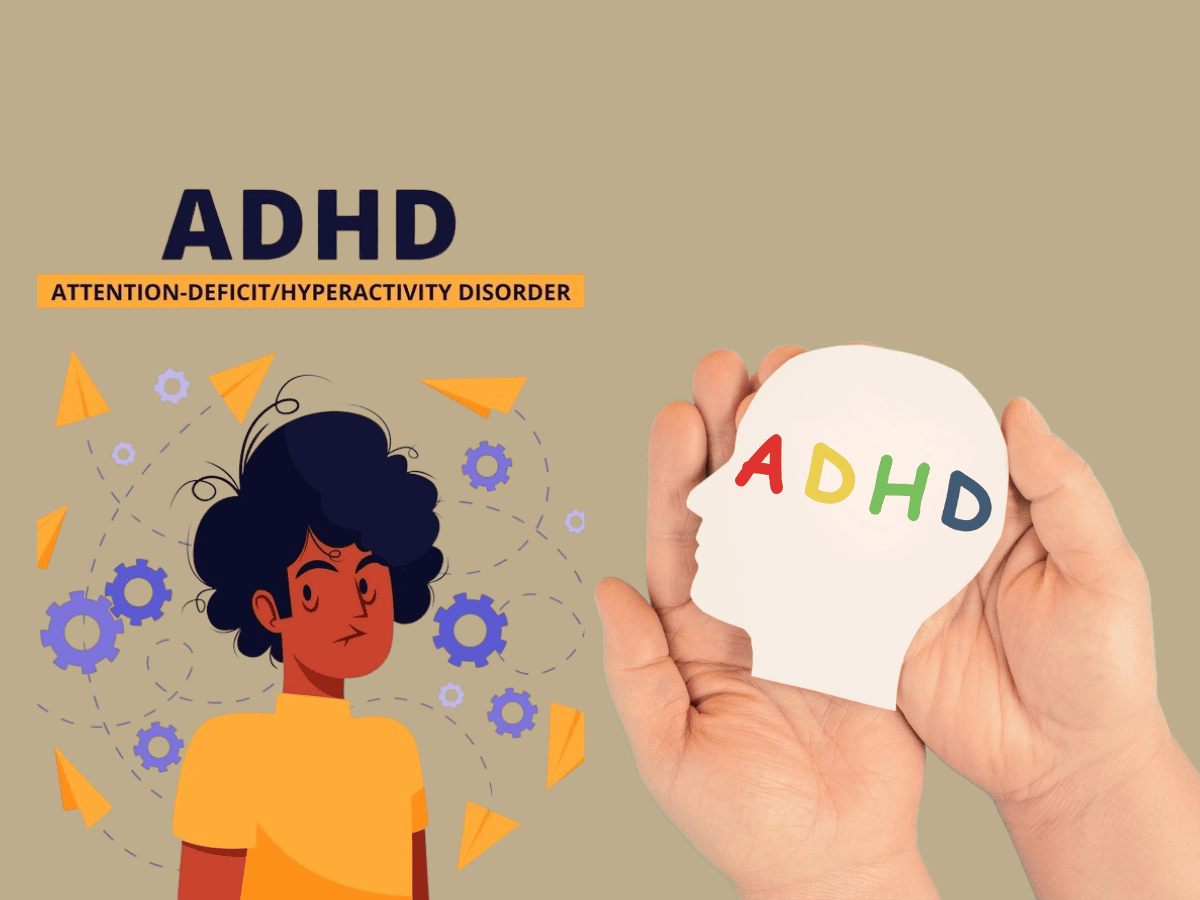
Sleep disturbances are frequently associated with depression, anxiety, ADHD, and other mood-related conditions. In some cases, addressing the underlying mental health issue significantly improves sleep patterns.
How Psychiatric Care Can Help Improve Sleep
Mental health treatment often includes strategies that support better sleep. This may involve therapy, medication management, lifestyle adjustments, or advanced treatments when appropriate.
A psychiatric provider evaluates sleep patterns alongside mood, stress levels, and medical history to determine the most effective approach.
For individuals experiencing treatment-resistant depression or persistent mood symptoms, advanced options such as Transcranial Magnetic Stimulation (TMS) may also be considered as part of a broader treatment plan.
When to Consider Professional Support
If sleep problems are affecting your daily life, relationships, or ability to function, seeking professional support can be an important step toward feeling better.
Working with an experienced psychiatric provider allows you to explore the full picture of what may be contributing to sleep disruption and mental health symptoms.
Taking the First Step Toward Better Sleep and Mental Health
Sleep and mental health are deeply connected. When one is disrupted, the other often follows. Recognizing this relationship is an important first step toward improving both.
If sleep struggles have become a regular part of your life, all is not lost. With the right evaluation and support, it is possible to restore healthy sleep patterns and improve overall mental wellness.
If you are ready to explore personalized mental health care, consider scheduling a consultation with St. James TMS & Psychiatry to discuss your symptoms and potential treatment options.
Better sleep can be an important step toward better mental health.