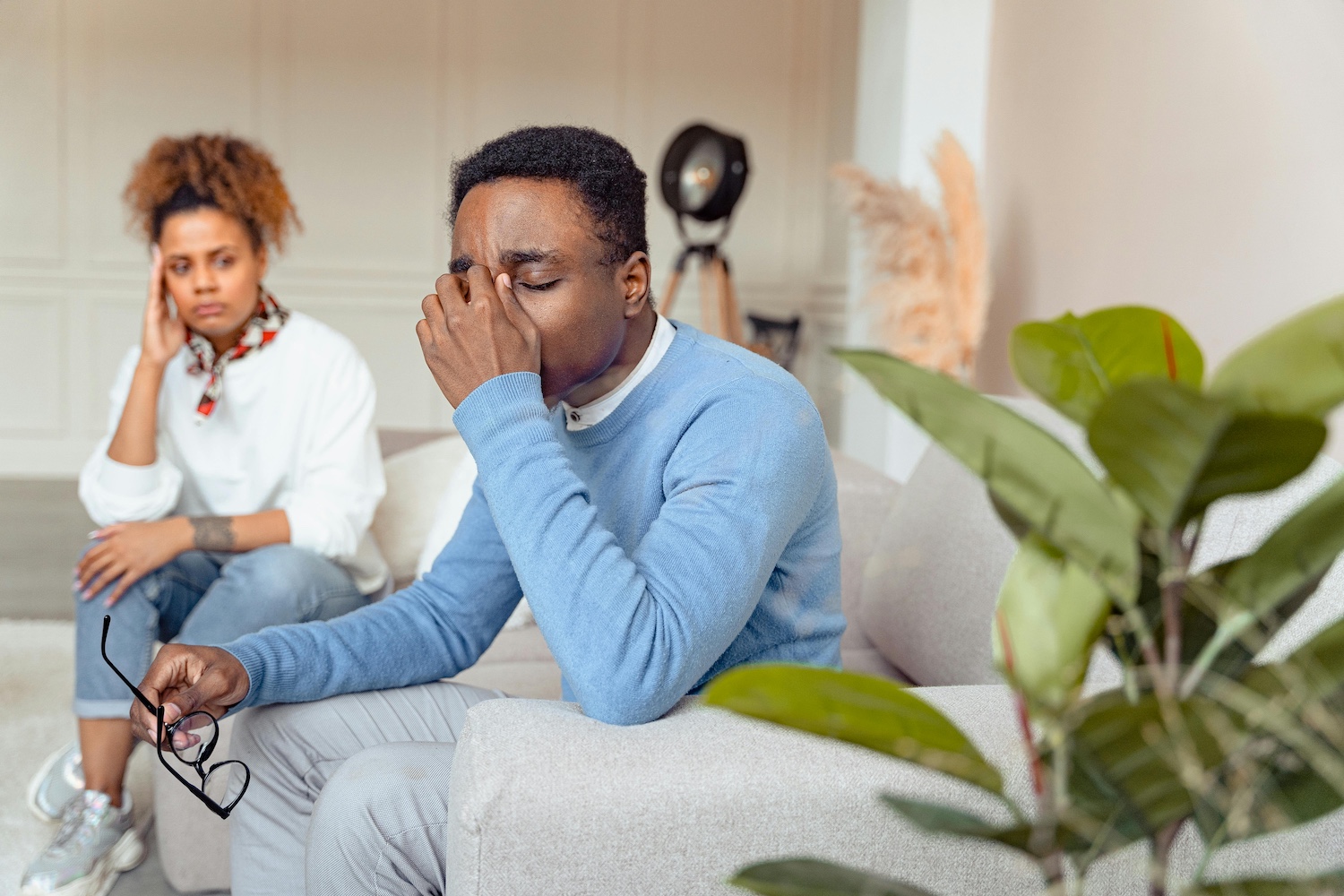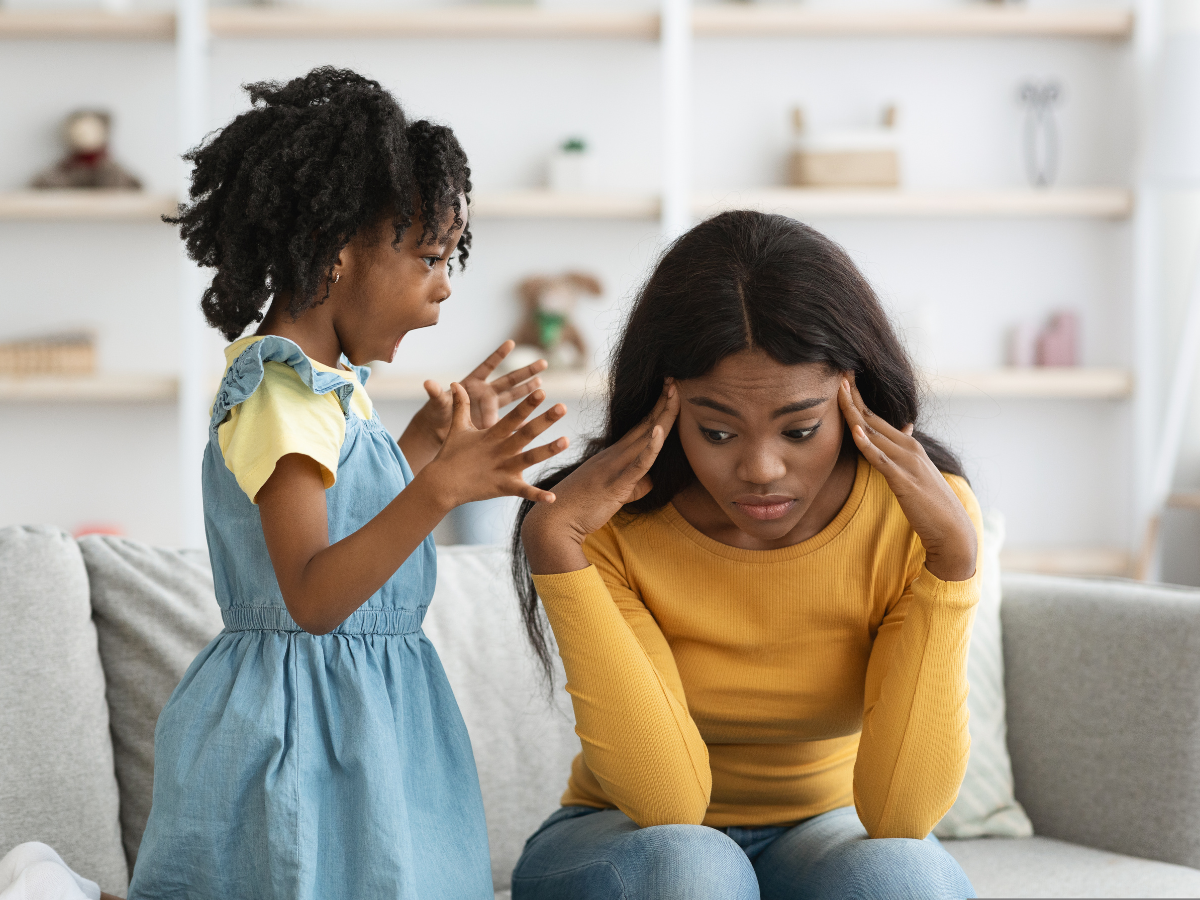
Anxiety can influence nearly every part of daily life, including how people connect with others. While anxiety is often discussed as an individual experience, it frequently shows up in relationships as well. Romantic partnerships, friendships, and family dynamics can all be affected when anxiety becomes difficult to manage.
Understanding how anxiety affects relationships can help people recognize patterns, improve communication, and seek support when needed.
Why Anxiety Can Impact Relationships
Anxiety affects the way the brain processes uncertainty, stress, and emotional signals. When someone is experiencing ongoing anxiety, their nervous system may remain in a heightened state of alert.
This can make everyday interactions feel more intense or overwhelming. Small misunderstandings may feel larger, and situations that normally feel manageable can create significant stress.
Over time, these experiences can influence how people communicate, respond to conflict, and interpret the intentions of others.
“Anxiety often changes how someone perceives situations and relationships,” explains Dr. Tasia Henderson, DNP and founder of St. James TMS & Psychiatry. “When the brain is constantly scanning for potential threats or stressors, it can make everyday interactions feel more emotionally charged.”
Common Ways Anxiety Shows Up in Relationships
Anxiety can affect relationships in subtle and obvious ways. While every person experiences anxiety differently, several patterns tend to appear across many types of relationships.
 Overthinking and Reassurance Seeking
Anxiety may lead to repeatedly analyzing conversations or interactions. Those with anxiety may worry about whether they said the wrong thing, misinterpreted someone’s tone, or upset someone unintentionally.
This can sometimes lead to seeking reassurance from partners, friends, or family members more frequently.
Avoidance of Difficult Conversations
Anxiety can make conflict feel overwhelming. As a result, some people avoid important conversations or withdraw when tension arises.
While avoidance may reduce stress temporarily, it can also create misunderstandings or unresolved issues over time.
Increased Irritability or Emotional Reactivity
When someone is constantly feeling anxious or mentally exhausted, patience can become harder to maintain. Small frustrations may feel larger than they normally would.
This can affect how people respond to loved ones, even when the underlying cause is stress rather than the relationship itself.
How Anxiety Affects Different Types of Relationships
Anxiety affects more than just romantic relationships. It can influence friendships, family connections, and other important relationships in unique ways.
Romantic Relationships
In romantic partnerships, anxiety may lead to fears of rejection, difficulty trusting reassurance, or overanalyzing a partner’s behavior. Some individuals may worry excessively about the stability of the relationship even when things are going well.
Partners may also struggle to understand anxiety if they have not experienced it themselves, which can sometimes create communication challenges.
Friendships and Social Connections
Anxiety can make social situations feel draining or unpredictable. Some people may cancel plans frequently, withdraw from group activities, or avoid reaching out to friends due to fear of judgment or exhaustion.
Over time, this can unintentionally create distance in friendships.
Family Relationships
Family relationships often carry deep emotional history, which can make anxiety feel more intense. Expectations, past experiences, and communication styles can all interact with anxiety in complex ways.
Some individuals may feel pressure to appear “fine” around family members, while others may experience anxiety triggered by family conflict or long-standing dynamics.
Recognizing When Anxiety May Be Affecting Your Relationships
Occasional stress is normal in any relationship. However, ongoing anxiety may begin to affect connection, communication, and emotional closeness.
- Signs that anxiety may be influencing relationships include:
- Frequent worry about how others perceive you
- Avoiding conversations or social interactions
- Difficulty trusting reassurance from others
- Increased tension or misunderstandings in relationships
- Feeling emotionally overwhelmed during interactions
Recognizing these patterns can help individuals better understand how anxiety may be shaping their relationship experiences.
Healthy Ways to Navigate Anxiety in Relationships
Addressing anxiety within relationships often involves both personal coping strategies and open communication.

Practice Open Communication
Sharing how anxiety affects your thoughts or reactions can help partners, friends, and family members better understand what you are experiencing.
Clear communication can reduce misunderstandings and strengthen trust.
Focus on Emotional Awareness
Learning to recognize anxiety triggers can help people respond more thoughtfully in challenging situations.
Understanding emotional patterns can improve how individuals navigate disagreements, stress, and vulnerability.
Seek Support When Needed
Sometimes anxiety becomes difficult to manage alone. Professional support can help individuals understand the root causes of anxiety and develop healthier ways of coping within relationships.
When Anxiety May Benefit From Professional Mental Health Support
If anxiety regularly interferes with relationships, work, or daily functioning, speaking with a mental health professional may be helpful.
Mental health providers can help evaluate symptoms, identify underlying factors, and recommend appropriate treatment approaches. These may include therapy, medication management, or other evidence-based interventions depending on individual needs.
For individuals seeking compassionate mental health care in New York and New Jersey, St. James TMS & Psychiatry provides psychiatric evaluations and treatment options designed to support emotional wellbeing and relationship health.
Scheduling a consultation can help individuals explore their symptoms, discuss concerns about anxiety, and learn about personalized treatment approaches.